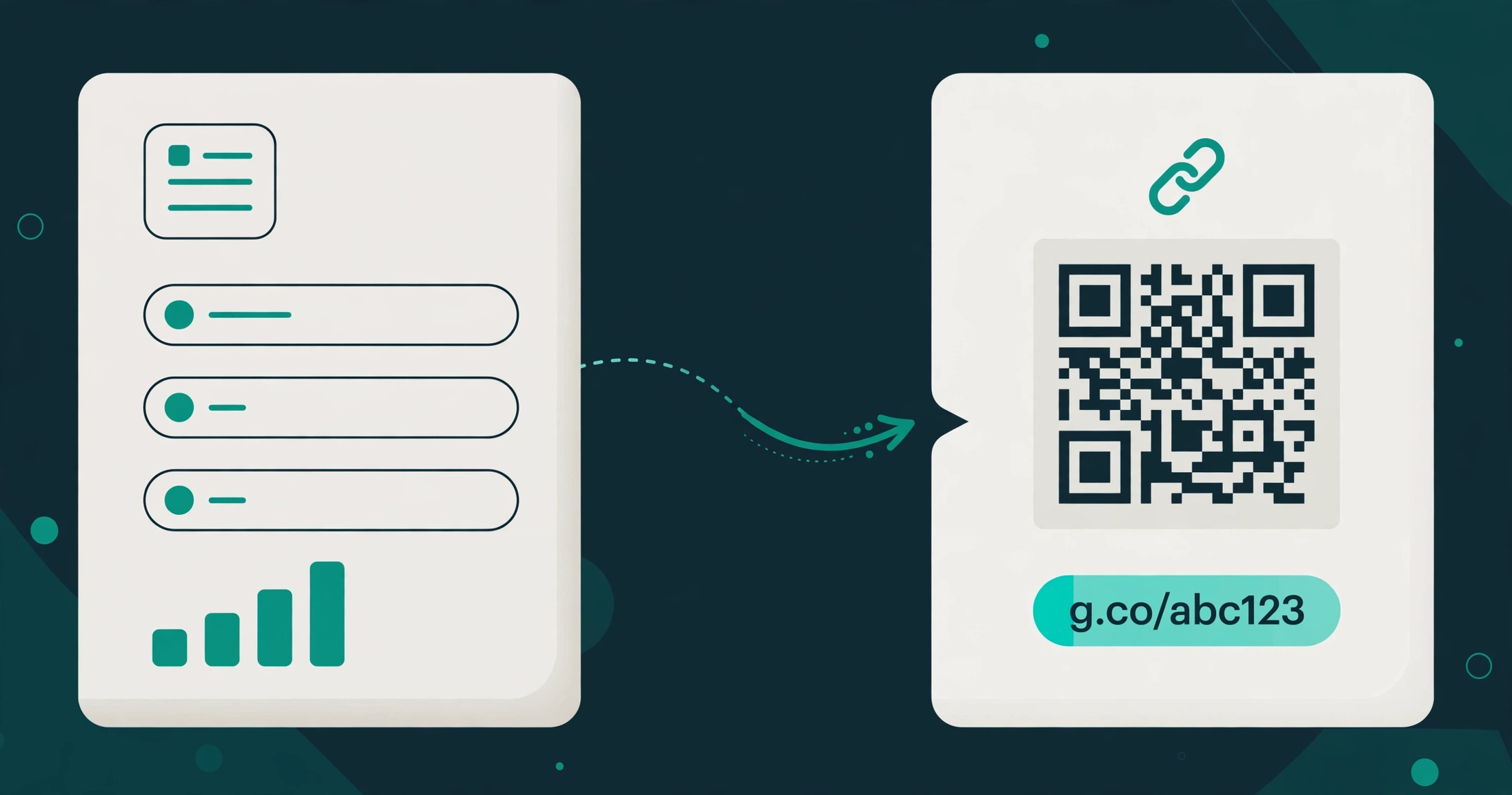
A Google Form link is long, forgettable, and hard to trust at a glance. It wraps awkwardly in a message, breaks in a printed flyer, and tells the person clicking it nothing about where they are going. Shortening that link fixes all three problems — and if you do it the right way, it also tells you how many people actually clicked through to your form.
A short link is a compact web address that sends anyone who clicks it to a longer destination address. You have seen them everywhere: in social media bios, on printed posters, in text messages, and at the bottom of advertisements. They exist for one simple reason — long addresses are hard to share, hard to remember, and hard to trust at a glance.
A long link is a small problem that shows up everywhere. It wraps awkwardly in a message, eats characters in a post, looks untrustworthy in an email, and cannot be printed on a poster at all. Shortening a link fixes all four problems at once, and the free methods below cover every situation most people actually face.
TinyURL is the simplest tool in link shortening. You paste a long address, you get a short one, and you move on with your day. That simplicity is exactly why people love it — and exactly why some people outgrow it. If you have started to wi
A URL shortener is a tool that turns a long, messy web address into a short link that is easier to share, remember, and measure. You paste in the original address, the service gives you a compact version, and anyone who clicks the short lin
There is no single best URL shortener. The right tool depends on how many links you create, whether you need your own domain on them, and whether you want to pay at all. This guide compares eight widely used tools on the same criteria, with
Every short link is a redirect. You click a short address, and the server sends you somewhere else. What most people never ask is which kind of redirect it is — and that one detail decides whether search engines treat the new address as the
Bitly and TinyURL are the two oldest names in link shortening. If you have ever pasted a long URL into a box and watched it shrink, one of these two probably did the shrinking. They are also very different products in 2026: one is a full marketing platform with a free plan that now shows ads, the other is a deliberately simple tool that has barely changed its pitch in two decades.
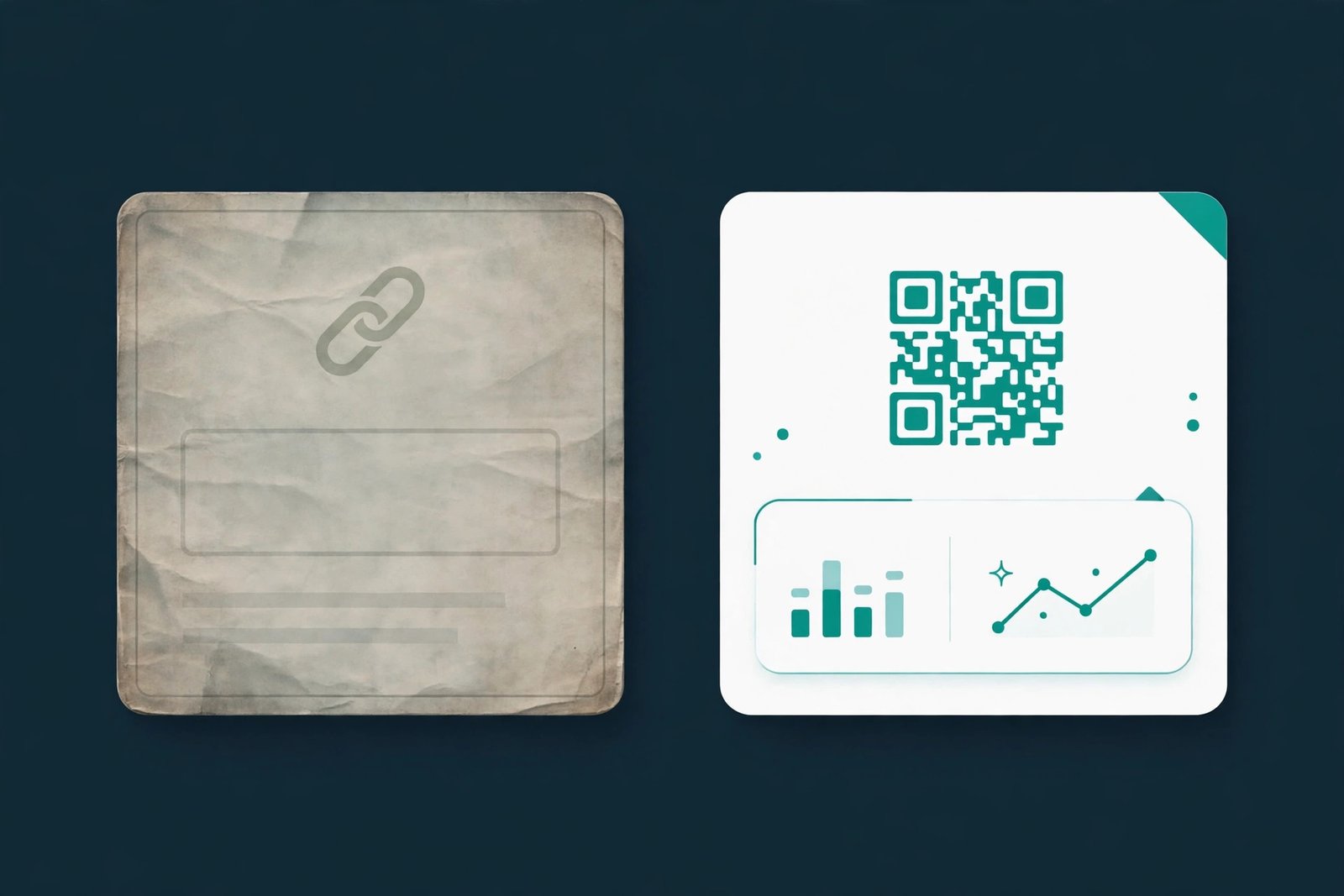
A QR code on a poster, a menu, or a business card is easy to print and hard to judge. People scan it, or they do not, and without tracking you are left guessing which placement earned its print cost. This guide explains how QR scan tracking